TensorWave Lands $350M to Scale AMD MI355X Cloud
Series B cash backs rapid U.S. MI355X deployments and a push against NVIDIA dominance
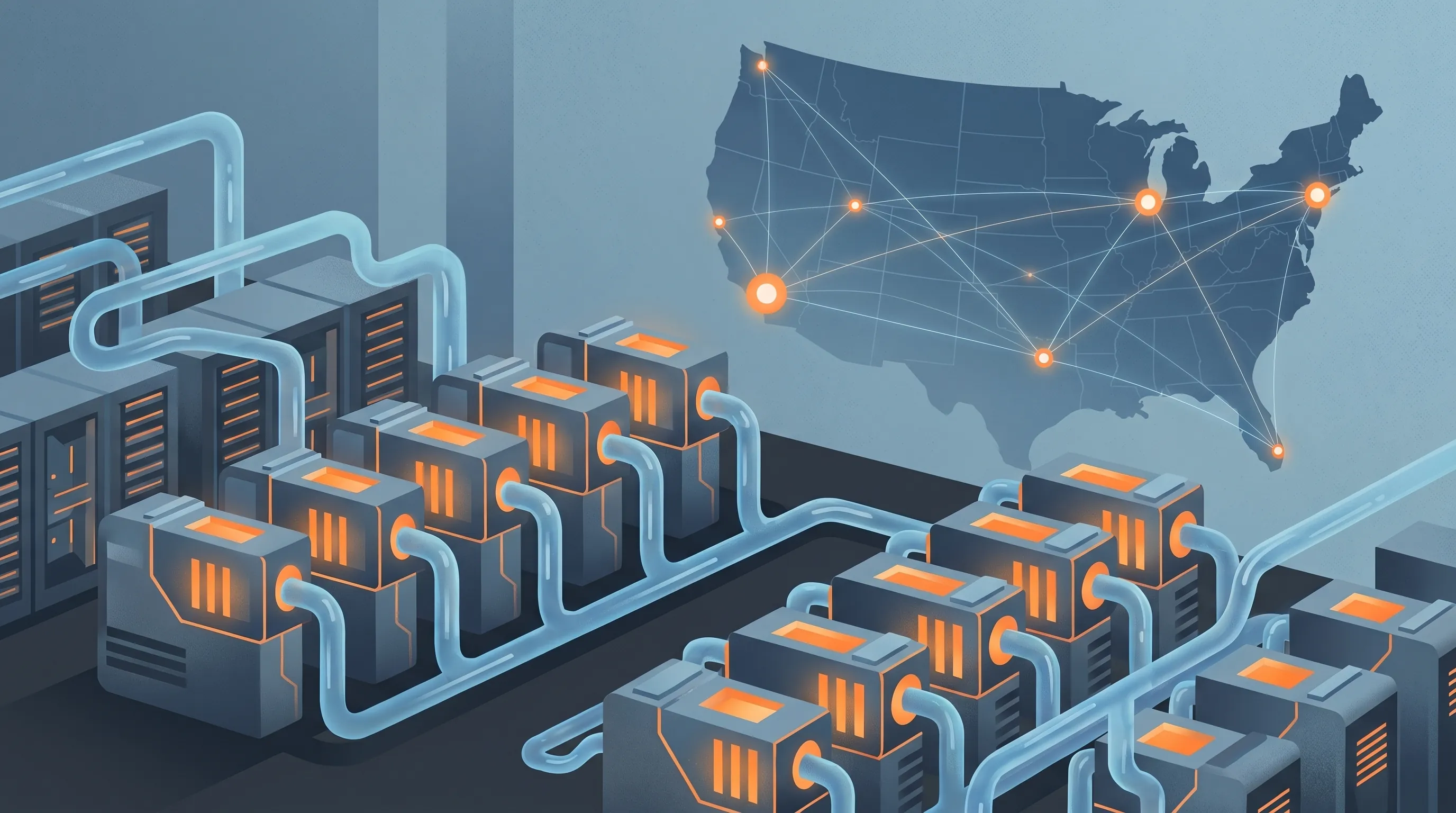
TensorWave announced a $350 million Series B round that it says will accelerate deployments of AMD’s Instinct MI355X GPUs across new U.S. data‑center sites. The company’s raise values it at about $1.55 billion and is explicitly tied to expanding its AMD‑powered AI cloud.
The funding is being positioned as infrastructure capital rather than a straight hardware purchase order, but TensorWave and its backers say the money will underwrite large MI355X cluster rollouts and long‑term data‑center capacity commitments. That framing has been repeated in industry reporting and the company’s own statements.
TensorWave already operates large AMD clusters in North America and earlier this year put an 8,192‑GPU MI325X training installation online, a project that presaged the MI355X deployments the new funding will support. The company says it has secured long‑term power and space commitments as it scales.
AMD’s Instinct MI355X is part of the MI350 series built on CDNA 4 architecture and is pitched at high‑throughput AI training and production LLM workloads. AMD documentation highlights high HBM3E capacity and a modular approach that scales from node to rack.
At the rack level, AMD has described a liquid‑cooled 128‑GPU MI355X configuration that it says reaches multi‑exaflop FP4 performance in vendor tests, a specification suppliers and cloud customers cite when planning large‑scale training clusters. Independent trade coverage has summarized those rack figures when comparing AMD systems to rival platforms.
Investors and customers framed the Series B as validation that a non‑NVIDIA AI stack can attract both capital and enterprise demand, particularly from firms seeking alternatives for training and inference workloads. Industry analysts note the win underscores growing vendor competition for next‑generation training capacity.
TensorWave’s public materials and case studies emphasize an open‑software approach based on AMD ROCm and other open tooling, a selling point for customers wary of vendor lock‑in in GPU ecosystems. The company says that software stack and its cloud controls are core to its value proposition.
The funding and MI355X orders come as AMD prepares follow‑on hardware in the MI400 family and as NVIDIA readies its next rack systems, creating an anticipated head‑to‑head in data‑center accelerators. Reporting on the roadmap and timing for both vendors has fueled speculation about which systems will arrive first at hyperscalers and cloud providers.
For customers, the practical takeaway is expanded choice and potential pricing leverage as a second major accelerator vendor scales at data‑center scale. That said, integration, software maturity, and ecosystem support remain major determinants of how quickly enterprises shift workloads away from incumbent stacks.
The deal also signals how startups focused on “AMD‑only” infrastructure can attract strategic investor interest and long‑term capacity deals with data‑center operators, including multi‑megawatt commitments that underpin procurement plans. TensorWave has cited multi‑gigawatt capacity agreements and site expansions tied to the round.
What changes for the market depends on execution. If TensorWave successfully deploys dense MI355X racks with matching software tooling and a growing customer base, it could give enterprises a credible, high‑performance alternative to the incumbent AI stack. Observers caution, however, that scale and ecosystem effects still favor the larger incumbent vendor for many customers.